Somewhere in the second half of the first year and into toddlerhood, many children go through waves of separation anxiety. It can look like a sudden sleep problem — but far more often it's a normal, passing developmental phase wearing a costume.
A normal, healthy phase
Somewhere in the second half of the first year and into toddlerhood, many children go through waves of separation anxiety — extra clinginess at goodbyes and, sometimes, at bedtime. As tiring as it is, it actually reflects something lovely: a strong, secure bond, and a new understanding that you continue to exist when you leave the room.
Because it arrives in waves, it can feel like it comes out of nowhere and then, weeks later, quietly fades again. That coming-and-going is part of what makes it recognizable — and part of why it's easy to misread as something more worrying than it is.
Why it shows up at bedtime
Bedtime is the biggest separation of the day, so it's no surprise this is where the feelings land. More protest at the cot, more night waking, or wanting you close can all be separation anxiety wearing a "sleep problem" costume — which is why it's easy to misread as a regression.
Seeing the pattern helps. If the extra waking and clinginess showed up alongside a leap in your child's awareness and turn up across goodbyes in the daytime too — not just at night — that's a clue you're looking at a wave of separation feelings rather than a change in their sleep needs.
What helps
- A steady, predictable wind-down — familiarity is deeply reassuring right now.
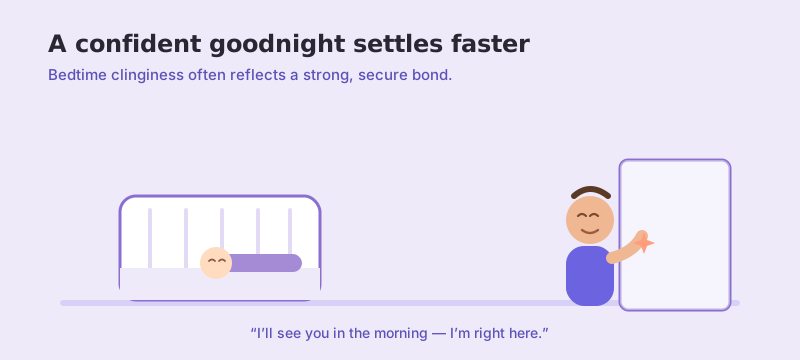
- A warm but confident goodnight; children read our calm and borrow it.
- Consistency from night to night rather than big new strategies.
- Plenty of connection and "filling the cup" during the day.
A goodnight that's loving but sure ("I'll see you in the morning, I'm right here") tends to settle a child faster than a long, anxious, negotiated one. Your steadiness is the message.
It passes
These phases come and go, often overlapping with developmental leaps. If bedtime distress is severe or persistent, or you're worried, your healthcare professional can help you think it through — but for most families, consistency and a little patience carry you through.

We write calm, plain-language articles about the early years, held to the same standard as the app: we describe patterns, never diagnose, and point you to your healthcare professional for anything clinical.
General guidance, for information only — not a substitute for professional medical advice. When in doubt, contact your healthcare professional.