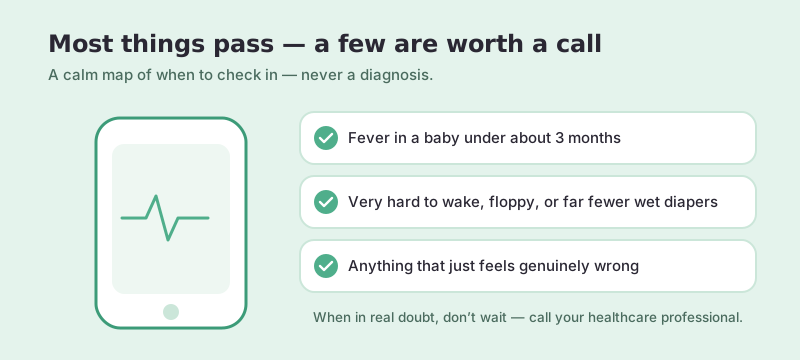
Most bumps, sniffles, and off days resolve by themselves — a big part of parenting is learning which things genuinely need attention and which just need patience. This article is a calm map, not a diagnostic tool: it describes situations where a call is reasonable, and it never tells you what a symptom means.
Most things pass on their own
Babies and small children are learning the world with their whole bodies, and a fair amount of that comes with minor bumps, sniffles, and unsettled days that quietly resolve on their own. A big part of parenting is simply learning which things genuinely need attention and which just need a little patience and time.
That's why this article is a calm map rather than a checklist to diagnose anything. It describes situations where reaching out is reasonable — it does not, and cannot, tell you what any particular symptom means. Only your healthcare professional, who can see and examine your child, can do that.
The moments worth a prompt call
These are rules of thumb, not a diagnosis — situations where many families choose to check in rather than wait. If any of them describe your child, a call to your healthcare professional is a reasonable next step:
- A fever in a baby younger than about three months — always taken seriously.
- A baby who is very hard to wake for feeds, or unusually floppy or listless.
- Noticeably fewer wet diapers than usual, or signs of dehydration.
- Crying that is very different from normal and can't be soothed.
- Trouble breathing, a rash that worries you, or anything that feels genuinely wrong.
These lists can't cover every situation. If you're seriously worried, or your instinct says something is wrong, contacting your healthcare professional (or urgent care) is always the right call.
Preparing for the visit
A clear picture helps your clinician help you. LittleRhythm can turn what you've logged — feeds, sleeps, diapers, temperatures — into a tidy summary to bring along, so you're not trying to recall a blurry week from memory. The app describes patterns; it doesn't interpret them.
It helps to jot down a few plain notes before you go: what you've noticed, when it started, and anything that seems to make it better or worse. You don't need medical language — the everyday details you've observed at home are exactly what your clinician wants to hear.
Trust your instinct
You spend more time with your baby than anyone. When something feels off and you're worried, it's always okay to call — good clinicians would far rather reassure you over a false alarm than have you sit at home anxious. Trusting that instinct is exactly the right thing to do.
There's no such thing as bothering your healthcare professional with a genuine concern. Checking in is a normal, sensible part of caring for a young child — never something to feel awkward about, and never a sign you're overreacting.

We write calm, plain-language articles about the early years, held to the same standard as the app: we describe patterns, never diagnose, and point you to your healthcare professional for anything clinical.
General guidance, for information only — not a substitute for professional medical advice. When in doubt, contact your healthcare professional.